September 7, 2026
Selling used clothes online has never had more options. New apps have grown fast, older platforms have changed their fees, and a few sites have shut down completely.
That makes choosing the right platform harder than it used to be. Each site charges different fees and attracts a different type of buyer.
This guide breaks down the best places to sell used clothes online in 2026. It covers real fees, payout speed, and what actually sells well on each one.
Some platforms charge nothing at all, while others take a large cut in exchange for a bigger audience and more built-in tools. Knowing that tradeoff upfront saves a lot of wasted time later.
By the end, picking the right marketplace for a specific closet should feel much easier.
Where to Sell Used Clothes Online?
Poshmark

Poshmark is one of the best marketplaces for brand-name and designer clothing. The platform charges a flat $2.95 fee on sales under $15 and a 20% commission on sales of $15 or more.
Shipping comes through a prepaid label, and the buyer usually covers that cost at checkout. Funds typically release within a few days of delivery.
Poshmark works best for mid-tier and contemporary brands like Lululemon, Free People, Nike, and Coach. Its social features, like sharing and Posh Parties, help build a loyal following over time.
Poshmark’s algorithm also rewards sellers who list new inventory often and respond quickly to buyers. Consistent activity tends to matter more here than on many other marketplaces.
The tradeoff is the highest seller fee among major platforms. Managing the daily sharing this platform rewards can also eat up a lot of time, which is why many sellers turn to a tool like Poshmark Pro Tools to automate that part of the job.
eBay
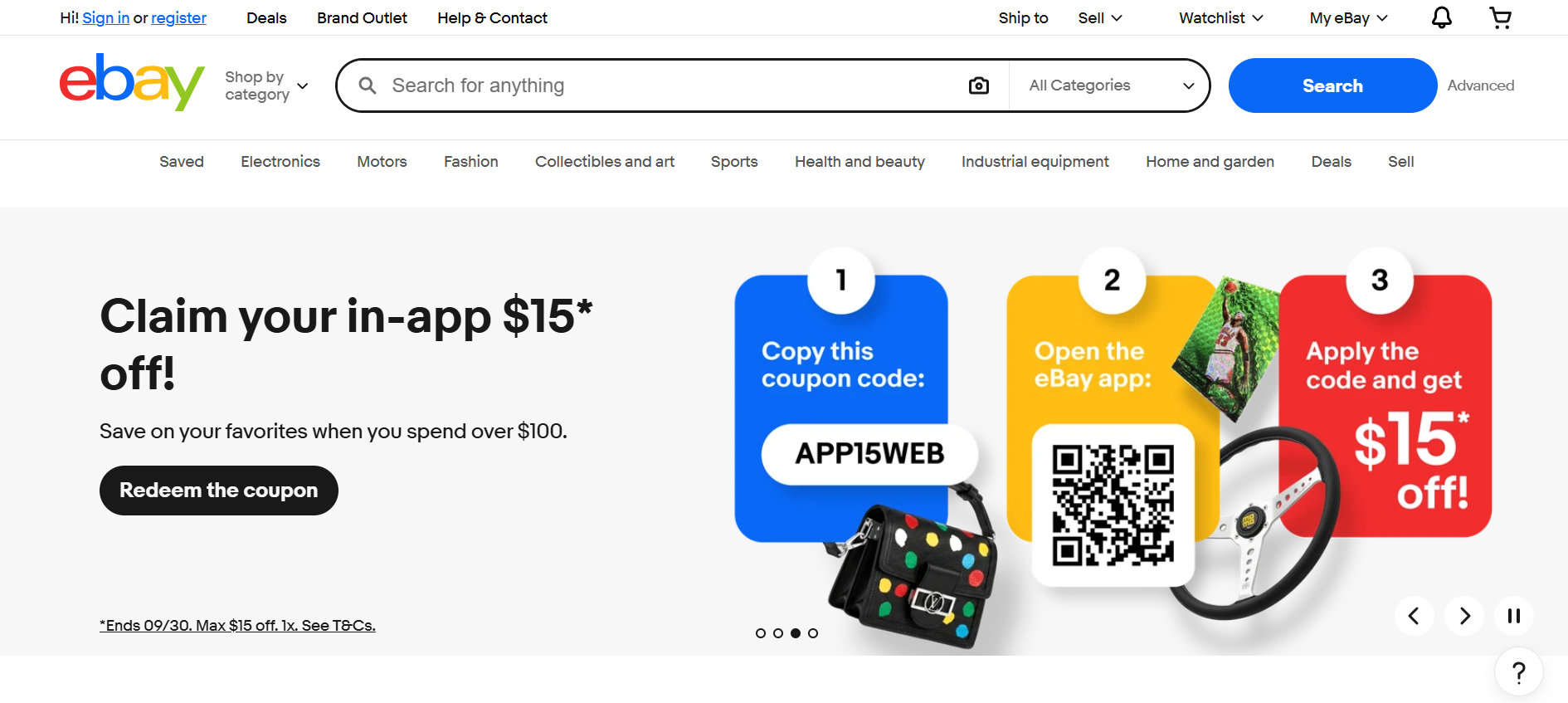
eBay offers the largest buyer pool of any platform on this list. It charges a final value fee of roughly 13.25%, plus a small per-order fee on most sales.
Sellers get 250 free listings a month, with a small fee per listing after that. An eBay Store subscription can lower those costs for high-volume sellers.
Shipping is flexible on eBay. Sellers choose their own carrier and can charge buyers for postage or build it into the price.
eBay works especially well for vintage pieces, rare finds, and items with a clear brand or model name buyers search for directly. It also does well with menswear, which sells less consistently on some fashion-focused apps.
The auction format gives sellers another option beyond fixed pricing, which can help rare or highly sought-after items sell for more than expected. Detailed photos and specific titles matter more here than on social-style apps, since most buyers arrive through search.
Depop

Depop built its reputation on vintage, Y2K, and streetwear styles. It eliminated its selling commission for U.S. sellers, leaving only a small payment processing fee near 3.3% plus $0.45 per sale.
That fee structure makes Depop noticeably cheaper than Poshmark for items priced above $15. A $50 sale costs only a few dollars in fees.
Depop’s audience skews younger and more trend-focused than most other resale apps. Strong, styled photos matter more here than on almost any other platform.
Shipping can go through Depop’s own label system or be arranged directly by the seller. Sellers who lean into aesthetic photography and current trends tend to do best.
It’s a strong secondary platform for sellers who already have an eye for vintage or streetwear pieces.
Mercari
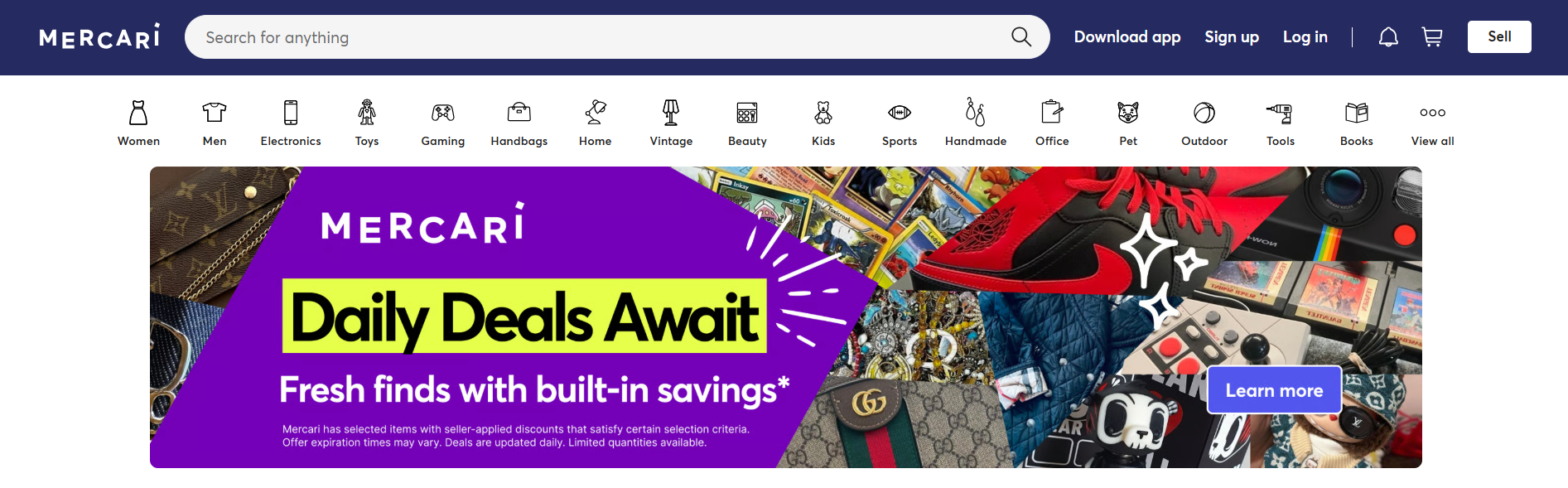
Mercari focuses on simplicity and speed. Listing an item can take less than three minutes, and the app charges a straightforward 10% selling fee that includes payment processing.
Prepaid shipping labels are available directly through the app, which removes a common headache for new sellers. A Smart Pricing feature can also auto-lower prices to attract buyers.
Mercari works well for casual, everyday clothing rather than high-end designer pieces. It’s also one of the better platforms for kids’ clothing, which sells less reliably on some fashion-focused apps.
The buyer base leans practical rather than trend-driven, so basics, workwear, and everyday brands tend to move faster than statement pieces.
For sellers who want a low-effort second platform alongside Poshmark, Mercari is often the easiest to add.
Vinted

Vinted expanded into the U.S. with zero seller fees, which makes it one of the most seller-friendly platforms available in 2026. Listing, selling, and payment processing all cost nothing for the seller.
Instead, Vinted charges buyers a protection fee at checkout, which covers the cost of running the platform. Sellers keep 100% of their listed price.
The tradeoff is a smaller, still-growing buyer base compared to more established platforms like Poshmark and eBay. Optional paid promotions, called Item Bumps, can help a listing get seen faster.
Vinted works well for everyday basics and branded items at accessible price points. It’s a strong option for sellers who want to maximize what they keep per sale rather than reach the widest possible audience.
ThredUp
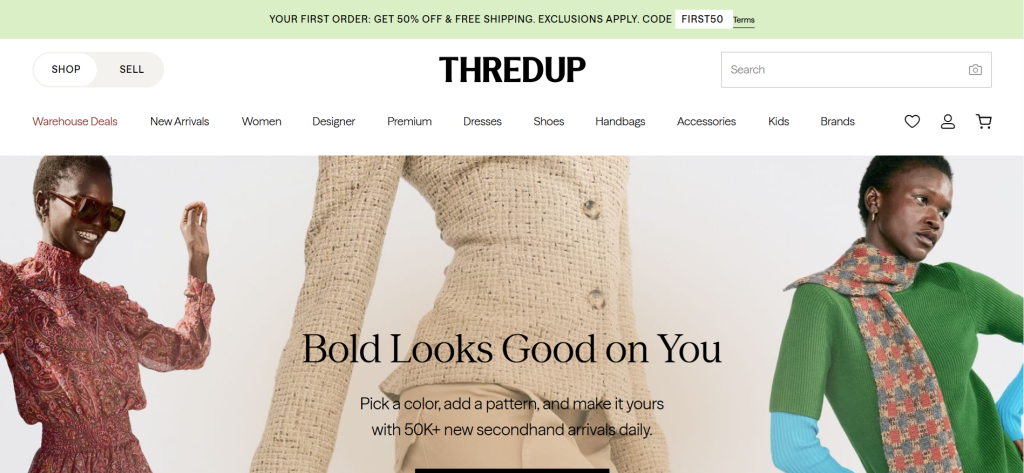
ThredUp offers the lowest-effort option on this list. Sellers request a Clean Out Kit, fill it with clothes, and ship it back without creating individual listings.
ThredUp then decides what to accept, prices each item, and pays the seller a percentage of the sale once it happens. Payouts can range from around 3% up to 80% depending on the item’s value and category.
Processing an order can take four to five weeks from drop-off to payout, which is far slower than listing something directly. Lower-value items may earn very little or get declined entirely.
ThredUp works best for sellers who want to clear out a large closet quickly without spending time on photos or listings. It’s not the right choice for anyone chasing maximum profit per item.
Facebook Marketplace
Facebook Marketplace is one of the best free options for local sales. Local pickup transactions carry no platform fee at all, since payment happens directly between buyer and seller.
Shipped sales do carry a fee, typically around 10% or an $0.80 minimum per order. Sellers choose whether to offer local pickup, shipping, or both.
This platform works especially well for bundles, like a bag of kids’ clothes or a mixed lot of basics, since local buyers often want to grab several items at once. Lower-priced pieces also do better here than they would on fee-heavy platforms.
The downside is a higher risk of no-shows, lowball offers, and limited seller protection compared to dedicated resale apps. Meeting buyers safely in public places helps reduce that risk.
Grailed
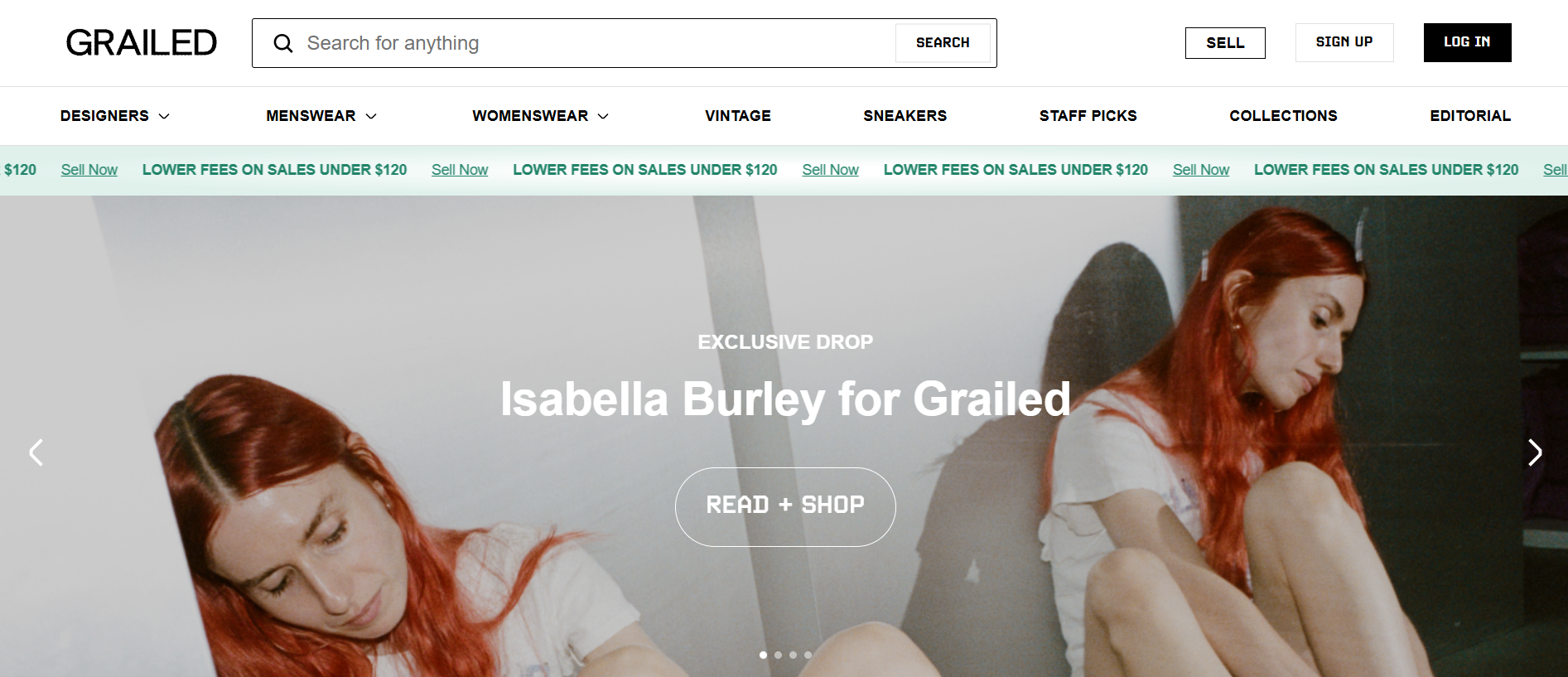
Grailed focuses specifically on menswear and high fashion, including streetwear, designer labels, and hard-to-find drops. Sellers typically pay around 9% in fees plus standard payment processing.
Shipping is handled directly by the seller rather than through an integrated label system, which gives more control but also more responsibility. Sellers choose their own carrier and shipping cost.
The buyer base is smaller than eBay or Poshmark, but far more focused. Buyers here actively search for specific brands, collaborations, and limited releases.
Grailed works best for sellers who already specialize in men’s designer or streetwear pieces. It’s less useful as a general clothing platform, since women’s and kids’ items don’t fit its niche audience.
For anyone with a closet full of hype sneakers or designer menswear, Grailed often earns more per item than a general marketplace would.
Put your closet on schedule
Shares, follows, offers and relists run from the cloud - $6.99 per closet, per month.
Get Started