



Every Poshmark seller has asked the same question at some point: why do some listings sell in hours while others sit for months? The answer almost always comes back to the Poshmark algorithm.
In 2026, the Poshmark algorithm decides which listings show up in search results, which items land in a buyer’s feed, and which closets get recommended to new shoppers. If you understand how it works, you can stop guessing and start selling with a plan.
This guide breaks down how the Poshmark algorithm works in 2026. You will learn the key ranking factors, what changed recently, and the exact habits that boost your visibility and sales.
What Is the Poshmark Algorithm?
The Poshmark algorithm is the system that matches Poshmark buyers with listings. It’s like a digital matchmaker that scans millions of items and decides which ones each shopper should see first.
Every time a buyer searches for “Lululemon leggings size 6,” the Poshmark algorithm ranks thousands of matching listings in a split second. It weighs your keywords, your photos, your activity, and your reputation as a seller to decide where your item lands.
The Poshmark algorithm also powers the “For You” feed. Instead of showing buyers everything, Poshmark now studies each shopper’s past likes, searches, and clicks to serve up items they are most likely to buy.
Here is the good news: the algorithm is not random. It follows patterns, and those patterns reward specific seller behaviors. Once you learn what it wants, you can work with it instead of against it.
How the Poshmark Algorithm Has Changed in 2026
Poshmark looked very different a few years ago. Back then, the winning strategy was simple: share your closet as many times as possible, every single day. Sharing volume was king.
That era is over. In 2026, the Poshmark algorithm has shifted from rewarding raw activity to rewarding quality, trust, and genuine buyer engagement. Here are the biggest changes sellers need to know.
Sharing volume matters less. Sharing still refreshes your listings, but blasting your closet hundreds of times a day no longer buys you top placement. The algorithm now treats sharing as one signal among many, not the main event.
Listing quality gets scored. The algorithm now evaluates photo quality, description completeness, and correct categorization. Blurry photos, missing measurements, and wrong categories can quietly drag down your search ranking.
Personalization drives discovery. The “For You” feed uses smarter matching to connect listings with the right buyers. Detailed, keyword-rich listings feed this system; vague ones stay invisible.
Consistency beats bursts. Poshmark closets that go quiet for several days tend to lose visibility. Steady daily activity, even in small doses, keeps your closet in the algorithm’s good graces.
With those shifts in mind, let’s dig into the specific factors the algorithm uses to rank your listings.
The Key Ranking Factors in the Poshmark Algorithm
1. Poshmark SEO: Titles, Descriptions, and Keywords
Search is where most sales begin, and keywords are how the algorithm reads your listing. If your title and description do not clearly explain what you are selling, the algorithm cannot show it to the right buyers.
A title like “Cute Top” tells the algorithm almost nothing. A title like “Free People Sweetest Thing Ruffle Green Floral Mini Dress Size 0” matches how real buyers actually search.

Strong Poshmark SEO starts with the title. Lead with the brand, then add the item type, key details like color or pattern, and the size. Use all the character space Poshmark gives you.
Your description should back up the title and add more searchable details. Include the material, measurements, condition, fit notes, and style keywords buyers might type. Trending aesthetic terms, like “quiet luxury” or “coastal grandmother,” can also help your item surface in style-based searches.
One warning here: describe your item honestly. Keyword stuffing with unrelated brands or terms can hurt your ranking and frustrate buyers, which leads to returns and bad ratings.
2. Listing Freshness and Activity
The algorithm loves fresh content. Newly listed items get a visibility boost, and recently shared items rank higher in search filters like “Just Shared.”
This is why sharing still matters, just not in massive volume. Sharing your own closet a few times a day, at smart times, signals that your listings are active and relevant.
Relisting is even more powerful in 2026. When you delete and relist a stale item, the algorithm treats it as brand new and gives it that fresh-listing boost. For items that have sat 60 days or more with little engagement, relisting often works better than a thousand shares.
Small edits count too. Updating a photo, tweaking a title, or adding a keyword can refresh a listing in the algorithm’s eyes and restore lost visibility.
3. Listing Quality: Photos and Details
Poshmark now judges the quality of your listings, not just the keywords in them. High-quality listings rank better and convert more browsers into buyers.
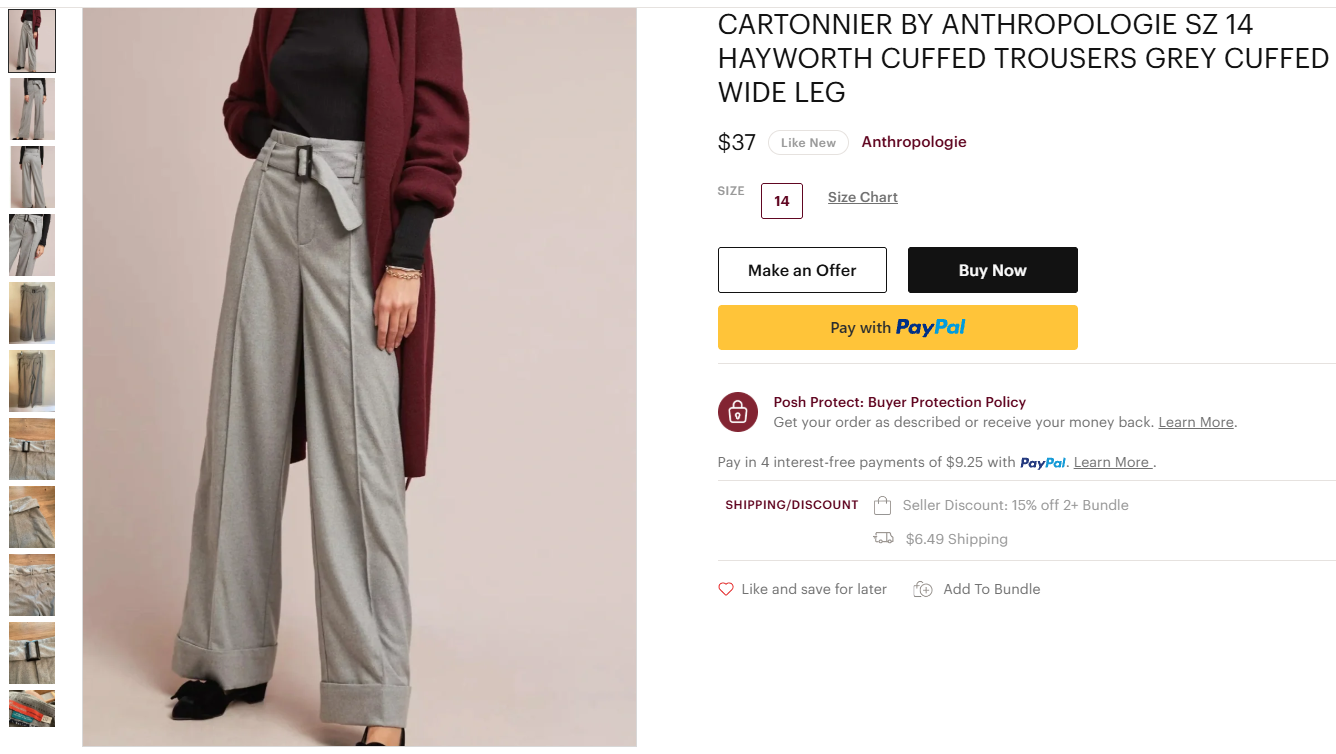
Great photos are the foundation. Use bright, natural light and a clean background. Show multiple angles: front, back, close-ups of fabric, tags, and any flaws. A crisp, eye-catching cover photo wins the tap when buyers scroll past dozens of similar items.
Complete details matter just as much. Fill in every field Poshmark offers, including category, subcategory, size, brand, color, and condition. Listings with missing information get matched to fewer searches and may face ranking penalties.
Think of it this way: every complete, accurate listing tells the algorithm you are a trustworthy seller. That trust compounds across your whole closet.
4. Engagement Signals
The algorithm watches how the community reacts to your listings. Likes, comments, shares from other users, and follows all act as votes of confidence.
Speed matters here. Listings that gain engagement quickly after going live tend to perform better than listings that collect likes slowly over weeks. This is often called engagement velocity.
You can influence this. List new items during peak browsing hours, share fresh listings right away, and engage with the community so other Poshers share your items back. Community shares carry real weight because they signal genuine interest.
Responding quickly to comments and questions helps too. Fast replies keep buyers interested, and active sellers earn more visibility than silent ones.
5. Seller Performance and Trust
In 2026, your reputation as a seller directly affects your reach. The algorithm favors closets that deliver a smooth buying experience.
The trust signals that matter most include fast shipping, a low cancellation rate, high star ratings, and accurate listings that do not trigger return cases. Sellers who ship within a day or two and keep buyers happy earn a quiet but powerful ranking advantage.
Posh Ambassador status still plays a role here. Ambassadors meet activity and reliability benchmarks, and Poshmark recommends their closets to new users. That steady stream of new followers creates ongoing likes, shares, and sales without extra effort.
The takeaway is simple: every order you fulfill well strengthens your position in search. Every late shipment or cancellation chips away at it.
6. Pricing and Offers
Price affects the algorithm indirectly but powerfully. Overpriced items get fewer clicks and likes, and low engagement drags down ranking over time.
Before pricing, check what similar items have actually sold for on Poshmark. Sold comps tell you what buyers will really pay, which is often different from what you hope they will pay.
Offers are one of the strongest conversion tools on the platform. When you send an “Offer to Likers” with a meaningful discount, every liker gets a notification. That burst of activity often turns lingering interest into a sale.
Strategic price drops also trigger notifications and can bump your listing back into buyers’ attention. Save your biggest drops for listings with several likes, where the notification reach justifies the discount.
7. Personalization and the “For You” Feed
The modern Poshmark feed is personalized. The algorithm studies each buyer’s likes, searches, purchase history, and even the photo styles they click on most.
For sellers, this changes the game. You are no longer competing for one general feed. You are competing to match specific buyer profiles.
Detailed listings win in a personalized feed. The more accurate data your listing contains, the easier it is for the algorithm to pair it with the exact buyer who wants it.
This is also why niching down helps many sellers. A closet with a clear identity, like premium denim or vintage band tees, builds a follower base whose feeds consistently surface your items.
What About Posh Parties in 2026?
Posh Parties used to be a cornerstone of Poshmark strategy. In 2026, their influence on ranking has faded significantly.
Most buyers no longer browse party feeds because the personalized feed has taken over discovery. Party shares, which are often automated, carry little algorithmic weight on their own.

Parties still offer two real benefits, though. They give you a fast way to share multiple items at once, and they put your closet in front of other sellers who may share your items back.
The smart move is to treat parties as a light supplement, not a core strategy. Spend the time you save on listing new inventory and improving your photos instead.
A Simple Daily Routine That Works With the Algorithm
Now that you know what the algorithm rewards, here is a practical routine that hits every major signal without burning you out.
List something new most days. Fresh listings are the strongest visibility boost available. Even one new item a day keeps your closet in the “new arrivals” stream and signals steady activity.
Share your closet two to three times daily. Use Poshmark Pro Tools to list your Poshmark items multiple times a day. Aim for peak windows: roughly 7 to 9 a.m., lunchtime, and 7 to 11 p.m. Evening hours usually see the heaviest buyer traffic.
Send offers to likers every day. Pick a few liked listings and send a real discount, ideally 10 percent or more with a shipping perk. Notifications drive sales.
Engage for ten minutes. Share a few items from other closets, answer comments, and follow relevant users. Community activity earns reciprocal shares and feeds your engagement signals.
Refresh stale inventory weekly. Identify items over 60 days old with little engagement. Relist them, improve their photos, or rewrite their titles with better keywords.
Ship fast, always. Get sold items out within 24 to 48 hours. Nothing protects your ranking like a spotless seller record.
This routine takes 30 to 45 minutes a day for most closets. Consistency matters more than intensity, so protect the habit even on busy days.
Common Mistakes That Hurt Your Poshmark Listings Rankings
Just as certain habits lift your visibility, a few common mistakes quietly sink it. Avoid these traps.
Keyword stuffing. Cramming unrelated brands or terms into descriptions confuses the algorithm and annoys buyers. Accuracy beats volume.
Letting your closet go dark. Extended inactivity tells the algorithm your closet is dormant. Even five minutes of daily activity keeps your visibility intact.
Ignoring offers and questions. Slow responses kill momentum. Many buyers purchase from whoever answers first, even at a higher price.
Using poor photos. Dark, blurry, or cluttered photos lower your quality score and your click-through rate at the same time. It is a double penalty.
Overpricing and waiting. Items priced far above sold comps collect dust, and stale, unliked listings drag down your closet’s overall performance signals.
Fixing even two or three of these mistakes often produces a noticeable jump in views within a couple of weeks.
The Bottom Line: Treat the Poshmark Algorithm Like a Partner
The Poshmark algorithm in 2026 rewards sellers who act like real businesses. Quality listings, honest descriptions, fast shipping, fair prices, and steady daily activity are the levers that actually move sales.
The old game of endless sharing is gone, and that is good news for serious sellers. You no longer need to outwork everyone. You need to out-list, out-photograph, and out-serve them.
Start with one improvement this week. Rewrite ten titles with real keywords, reshoot your five best items, or commit to a daily offer routine. Small, consistent changes compound, and the algorithm notices.
Frequently Asked Questions (FAQs)
Does sharing still matter on Poshmark in 2026?
Yes, but less than before. Sharing refreshes your listings and keeps them visible in recency-based searches, so sharing your closet two to three times daily still helps. However, massive sharing volume no longer outranks quality listings, strong SEO, and good seller performance.
How often should I list new items on Poshmark?
Aim to list something new most days, even if it is just one item. New listings receive the strongest visibility boost the algorithm offers, and consistent listing signals that your closet is active. Sellers who list daily typically see steadier traffic than sellers who upload in occasional big batches.
Should I delete and relist old items on Poshmark?
Relist items that have been up for 60 days or more with little engagement, since relisting restores the fresh-listing boost. If an item has plenty of likes but no sale, the problem is usually price rather than visibility, so try an offer or price drop first.
Do sharing bots get you shadow banned?
They can. Poshmark has become much better at detecting automation, and sellers using aggressive bots report that their shares stop appearing in feeds. If you use any tool, make sure to use one that keep activity at human-like levels, like Poshmark Pro Tools.
What are the best times to share on Poshmark?
Peak browsing windows are early morning around 7 to 9 a.m., lunchtime around noon, and evenings from about 7 to 11 p.m. Evenings usually bring the heaviest traffic. Cover both Eastern and Pacific time zones when you can, since Poshmark’s buyer base spans the whole country.
Does Posh Ambassador status help with the algorithm?
Yes. Poshmark recommends Ambassador closets to new users, which creates a steady flow of followers, likes, and shares. Those engagement signals feed directly into the algorithm. Ambassador status also marks you as a reliable, active seller, which supports your overall trust profile.
Why did my sales suddenly drop?
Sudden drops usually trace back to a few causes: your closet went inactive for several days, your inventory went stale, a recent order problem hurt your seller metrics, or Poshmark adjusted its algorithm. Audit your activity, refresh old listings, and check your ratings before assuming the platform is the problem.
Do likes actually help my listings rank?
Yes. Likes, comments, and community shares act as engagement signals that tell the algorithm buyers find your item appealing. Fast early engagement helps most, so share new listings right away during peak hours. Likes also build your offer audience, since every liker can receive a discounted offer notification.
Does pricing affect the Poshmark algorithm?
Indirectly, yes. Overpriced items earn fewer clicks and likes, and weak engagement lowers ranking over time. Price near recent sold comps, leave a little room for offers, and use strategic price drops to trigger notifications. Competitive pricing keeps engagement flowing, which keeps the algorithm on your side.
Is Poshmark still worth selling on in 2026?
Absolutely, for the right inventory. Poshmark remains one of the largest resale marketplaces for fashion, with tens of millions of active users. Sellers who adapt to the 2026 algorithm, focusing on SEO, quality listings, and reliable service, continue to build strong part-time and full-time incomes on the platform.





How to Message Someone on Poshmark?
You’ve spotted the perfect vintage denim jacket on Poshmark, but the listing says nothing about the measurements. Or maybe you’re a seller whose buyer needs

What are Boutique Listings on Poshmark?
The first time I scrolled past a “Boutique” tag on Poshmark, I assumed it just meant the seller thought highly of their stuff. It actually

How to Find New Poshers on Poshmark?
Poshmark is not a quiet marketplace where you list an item and wait. It works like a social network, and the sellers who talk to